
China
I’ve finished the last series of blogs, which explored what a threat is, who decides what it looks like, and how looking for threats as part of your job affects the mind. The next series will explore the implications of threats for different parts of society.
It feels like a natural progression: moving from experiencing firsthand what it’s like to work in an environment where you look for threats to understanding the privileged position that this work can create, and the sense of protection it may offer others. Technological advances such as AI (sorry!) can drive digital progress, but they can also exclude people from essential services when those services rely on consistent, reliable internet access.
One example is the 2022 White Paper protests in China. During lockdowns imposed by the Chinese government, citizens used social media platforms such as Weibo and WeChat to share their discontent and complain about the economic impact. Although the complaints were met with attempted suppression, a known method the CCP uses to silence dissent and the grievances became public. Pro-democracy supporters also hung a banner in Beijing. The protest’s impact was widespread before its content was censored and removed from the Chinese internet.
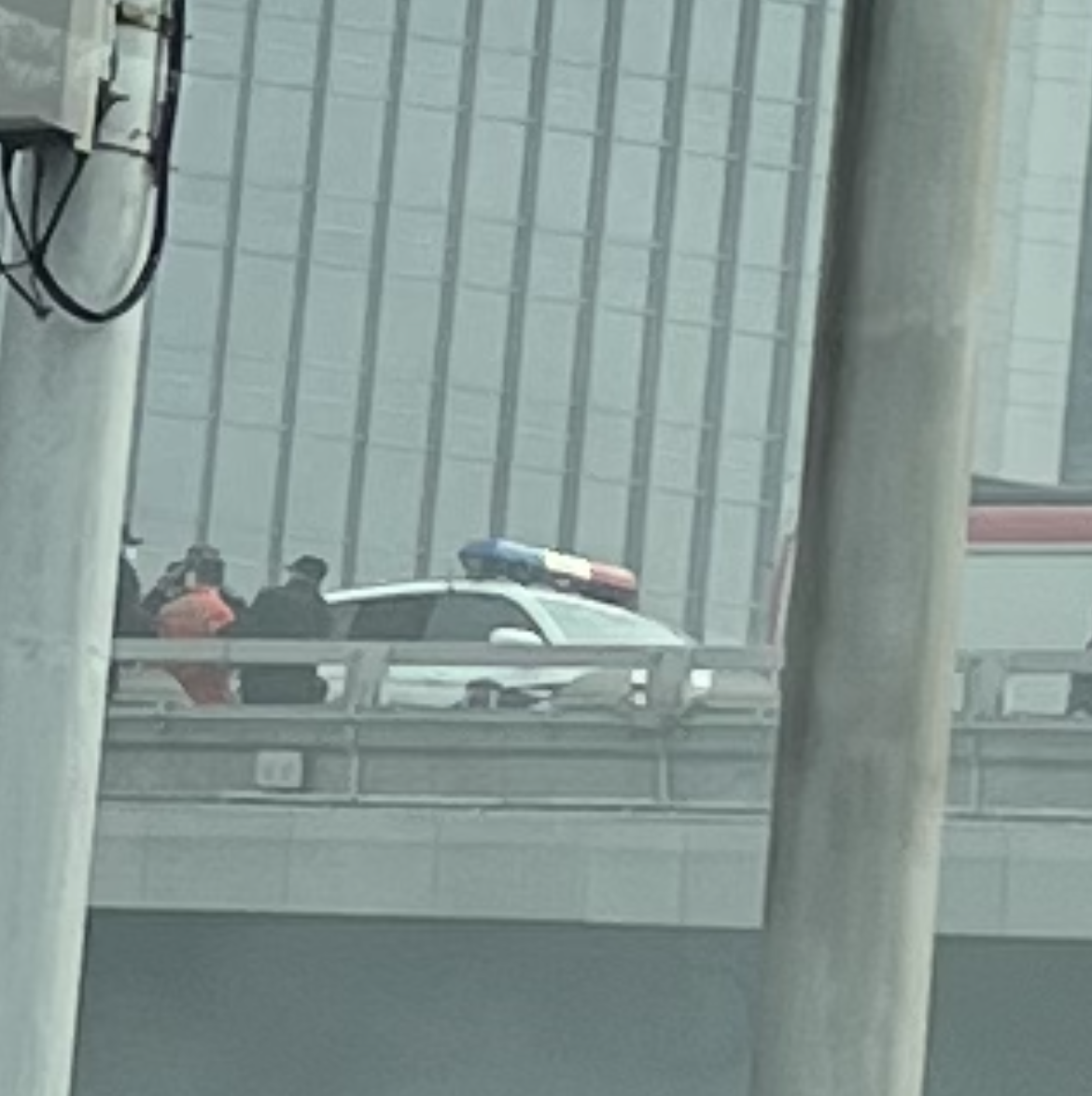
https://en.wikipedia.org/wiki/2022_Beijing_Sitong_Bridge_protest
Peng Lifa was reportedly arrested and sentenced to nearly 10 years in prison for hanging the banners. He was released in 2024. This case reflects the censorship and imprisonment of protesters in China. Joshua Wong was imprisoned for 10 years for similar protests against the Chinese state. His activism centered on pro-democracy, while the Chinese state argued that his sentence was for “colluding with foreign forces.”
Iran
In 2025, Iran and Israel engaged in what is known as the “Twelve-Day War,” an armed conflict that included the assassinations of political leaders and bombings of nuclear targets.
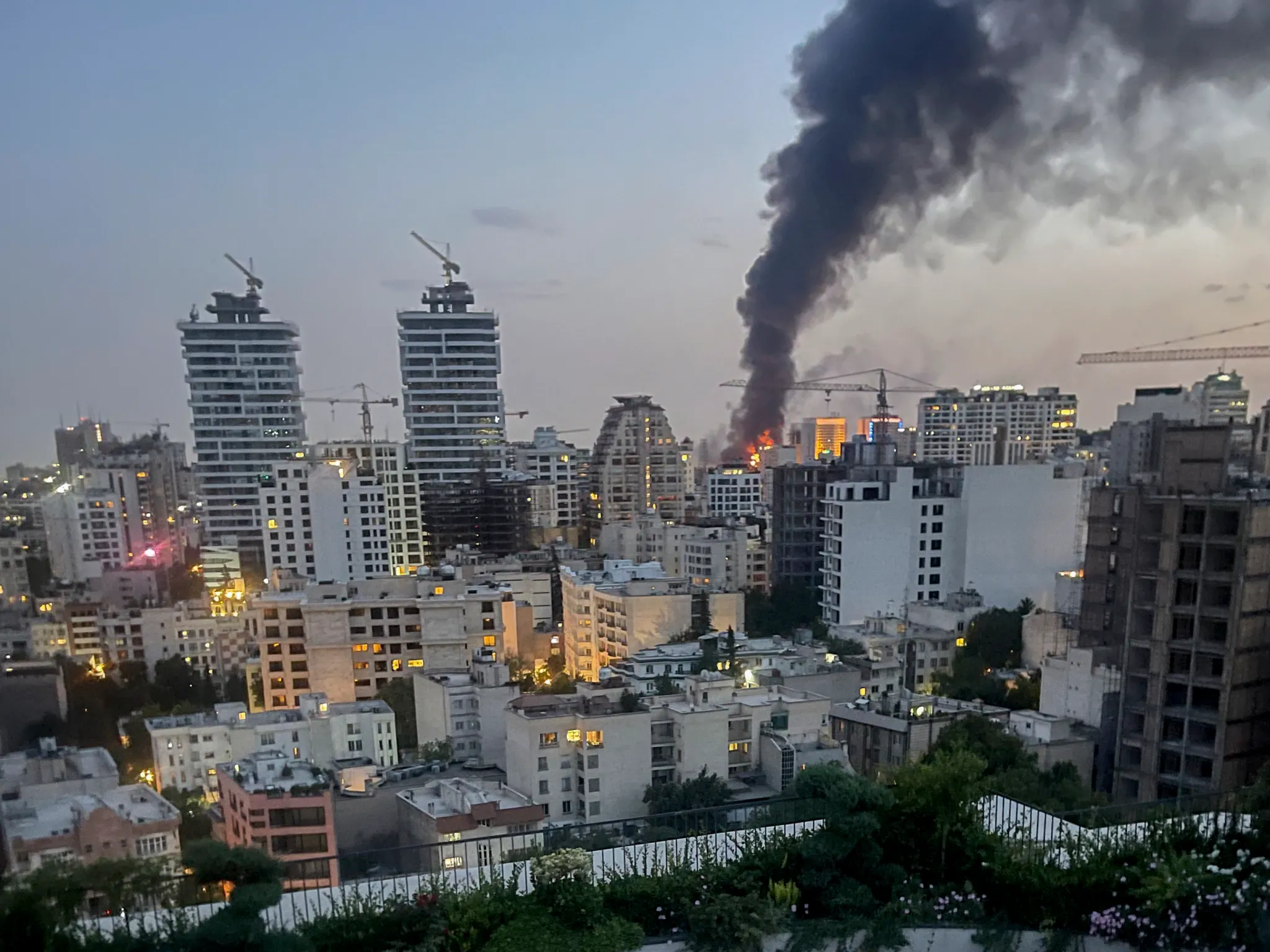
MINA/Middle East Images/AFP / Getty Images
In response, the Iranian government imposed an internet shutdown that restricted access by 97%. Iran has historically surveilled its citizens’ internet use, at least since 2010. During the first week of the Iran–Israel war, internet access in Iran was limited and then almost completely cut off. This disconnection isolated Iranians from the rest of the world, a tactic that had also been used during periods of civil unrest.
Internet monitoring services reported a reduction in connectivity in Iran on 17 June. According to The New York Times, bandwidth had dropped by 80%, while IODA reported that internet access had fallen to 97% below normal levels. Iran attributed the blackout to Israeli cyberattacks. When a government chooses to restrict or surveil its citizens digitally, as observed in both Iran and China, the Streisand effect may occur, producing an effect almost opposite to the intended one and affecting the surveilling party. The impact on many may be felt most acutely by a few: in Joshua Wong’s case, imprisonment; in Iran’s case, an almost complete internet blackout.